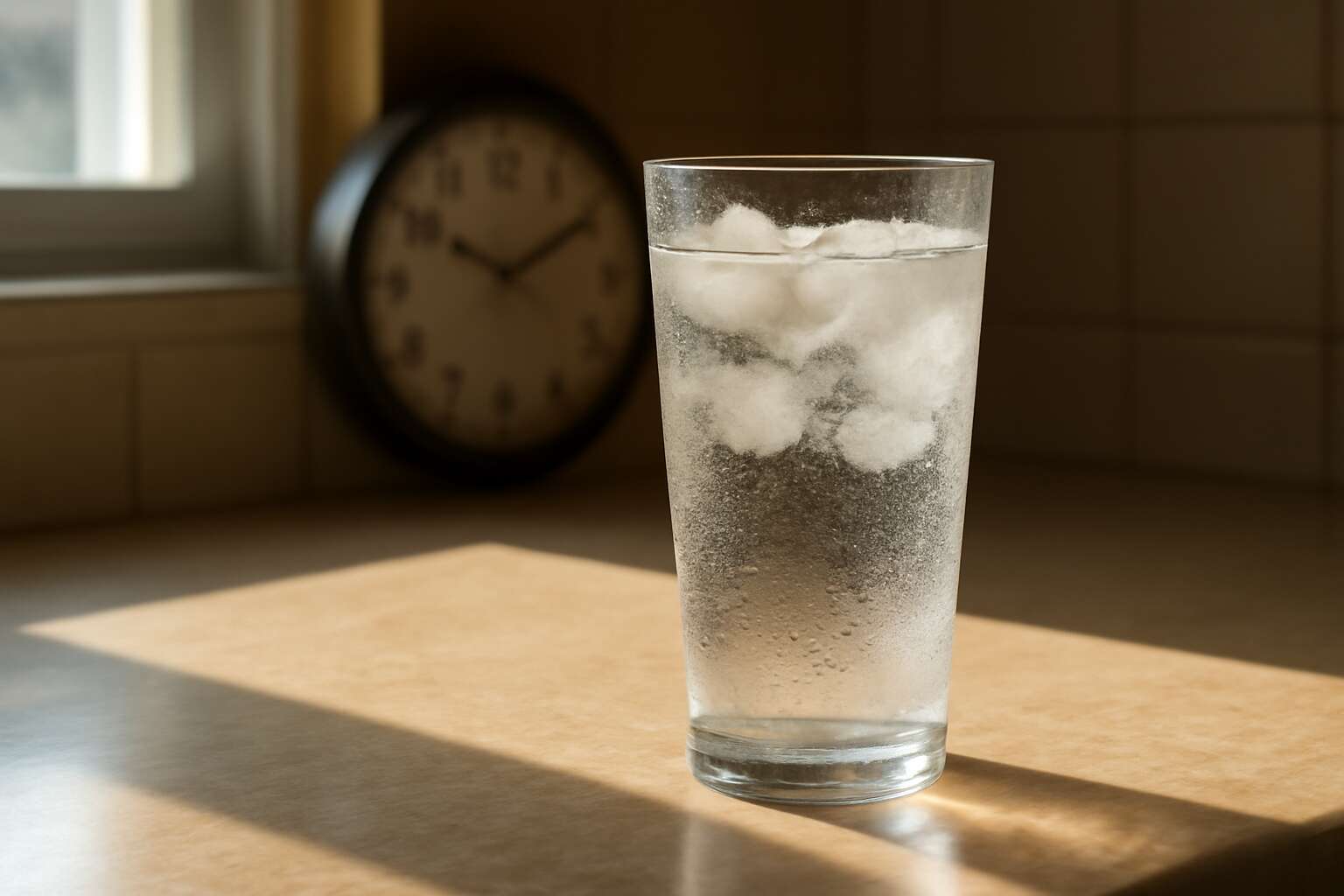
Hydration Fundamentals: Understanding when to drink water
Why hydration matters for overall health
Hydration isn’t a luxury; it’s the quiet engine behind focus and stamina. In South Africa’s heat, many professionals sip coffee first and water last, a habit that quietly drains momentum. Knowing when drinking water fits your day is the real productivity hack.
Hydration Fundamentals: Understanding when to drink water is less about ritual and more about rhythm. Here are practical moments to tune into:
- Upon waking: a quick glass to start the day
- Before meals and after screens: a steady sip
- During heat or heavy work: regular micro-sips
Why hydration matters for overall health: it supports energy, mood, digestion, and temperature control, especially in SA’s climates. Consistent intake helps brain function and athletic performance, turning hydration from a chore into a reliable advantage!
Daily water intake guidelines by age sex and activity
Mild dehydration can shave cognitive performance by up to 2%. In SA’s heat, that small gap costs focus and momentum. Understanding when drinking water fits your day is rhythm, not ritual.
Hydration fundamentals set a simple map: your intake shifts with age, sex, and activity. This is a practical guide to when drinking water fits your day.
- Children and teens: about 1–1.5 litres daily, depending on age and growth.
- Adults: women roughly 2–2.5 litres; men about 2.5–3 litres daily. Increase with heat or training.
- Athletes or hot-climate work: add 0.5–1 litre on top of baseline before, during, and after exertion.
In South Africa, climate and routine shape how you sip—consistent, balanced intake supports steady energy without guessing.
Sensing thirst vs. hydration needs: signs and symptoms
South Africa’s afternoon heat carves a quiet line between blur and clarity. The body whispers in subtle cues, and thirst isn’t always obvious. Small cues can restore focus: “when drinking water” becomes part of the daylight rhythm, attention returns, and momentum follows.
- Thirst signals: the body’s quiet pull toward fluids
- Dry mouth or lips
- Dark yellow urine
- Headache, fatigue, or lightheadedness
Hydration needs shift with heat, pace, and routine. In demanding moments—at a desk, on a sweltering site, or during long drives—the body tunes its signals. It’s not about chasing a vow; it’s about aligning with your day, keeping energy steady without fanfare.
How electrolytes influence hydration status
The average adult is about 60% water, a quiet reservoir easily drawn down by South Africa’s heat. In these furnace afternoons, when drinking water becomes a ritual that steadies the nerves, the body whispers in subtle cues—moments of focus returning, a steadier breath. I hear the day soften when I listen.
Electrolytes guard hydration balance. When dissolved minerals ride along with water, they influence fluid movement and how we recover from exertion. Consider these roles:
- Sodium helps maintain blood volume and smooth thirst signaling
- Potassium supports muscle function and nerve transmission
- Magnesium aids energy production and nerve relaxation
Hydration status is a balance between fluid and salts, shifting with heat, activity, and daily rhythm. In the midafternoon hush, the body’s cues align with the cadence of daily life, guiding momentum without drama.
Timing and patterns: optimizing water intake throughout the day
Best times to drink water throughout the day
Hydration isn’t a gimmick; it’s a daily weather report for your cells. A nurse once whispered, ‘Hydration is a quiet act of self-respect,’ and the truth lands hard. Timing and patterns shape how water sustains focus, digestion, and energy across a South African day when heat and dry air press on us. The body tunes its rhythm when drinking water, answering thirst, meals, and movement with unspoken precision.
- Rise with the sun to prime alertness
- Pair sips with meals to ease digestion
- Sense the afternoon dip and respond with calm hydration
In the quiet of a long day, timing is less a rule and more a moral inquiry: how does water witness choices without shouting? One notices how small sips during moments of concentration anchor intention and dissolve tension. Our bodies keep time; the question is whether attention is paid or urgencies outrun reflection.
Pre-workout during exercise and post-workout hydration
In a South African heat, I notice the body’s tempo shift faster than the clock. A nurse whispered, “Hydration is a quiet act of self-respect,” and those words land hard. Timing and patterns shape how water anchors my focus through the day.
Planned sipping follows routine—pre-workout, during exercise, and post-workout—each phase nudging performance and recovery without shouting for attention. The rhythm remains subtle: small sips, steady focus, and comfortable movement.
- Pre-workout: Set the stage for focus with a calm, quiet intake before you begin.
- During exercise: Maintain a steady tempo as your body works, not chasing thirst but staying balanced.
- Post-workout: Rebalance with a mindful reset, letting thirst guide the next sip.
Your day smooths out when drinking water during long meetings or commutes, aligning energy with attention as the city hums around me.
Hydration for meals: when to sip with meals
Two percent dehydration can dent focus and mood, and in South Africa’s heat that margin shrinks fast. Hydration becomes a quiet ritual, a moral act of care that steadies the day without fanfare. Timing and patterns shape how water anchors attention from the first coffee to the last meeting.
Hydration for meals: when to sip with meals for balance, digestion, and comfort. The pattern is about subtlety and respect for your body’s tempo. Consider the nuance of when drinking water during meals—the goal is harmony, not interruption—allow the first bite to register, let the mouth appreciate flavors, and notice how the body responds to gentler, steady hydration.
Throughout the day, let hydration flow with your schedule—short, steady sips during long meetings or commutes keep energy aligned with attention as the city hums around you.
Overnight hydration: morning routines and sleep quality
A brisk statistic hints that staying lightly hydrated can sharpen focus and mood, even under a South African sun that lingers long after sunset, when drinking water is less a habit and more a rhythm recognized by the body. The day settles into a quiet map of attention from the first coffee to the late meeting. In this tempo, timing becomes intention, a discipline that whispers in heat and shadows!
Overnight hydration isn’t excess; it’s a low hum that supports morning clarity. A glass at night is not a panacea, but a gentle echo into dawn, aiding sleep quality and energy. In the morning, hydration flows with ritual, from stretch to coffee—without jolting the nervous system.
Timing and patterns shape how water anchors attention, an anchor in the day. The aim is harmony, not interruption, a cadence that fits the body’s tempo and a city that never cools.
Water quality and sources: ensuring safe hydration
Tap vs bottled water: pros, cons, and safety
Two litres a day is a solid baseline. Water quality matters as much as quantity. In South Africa, municipal supplies are regulated and tested, yet local realities vary. Safe hydration starts with knowing your water’s source and how it’s treated. Consider the mineral profile, chlorine levels, and potential contaminants when drinking water.
Tap water offers reliability and a tiny footprint—and tastes and minerals vary by district! Bottled water provides consistency and convenience yet costs more and creates waste. Safety still relies on proper treatment and monitoring.
- Pros: regulated safety, low cost, local access
- Cons: taste variation, mineral content differences, occasional outages
- Safety considerations: consult municipal water quality reports and official advisories
Storage and temperature influence taste and safety; aim for clean containers and regular checks. The choice depends on access, price, and local water quality reports.
Common contaminants to watch for and how to test water
Water is the city’s quiet verdict, and in South Africa it speaks through the pipes. When drinking water, purity is not a luxury but a baseline—clarity that mirrors a well-tended landscape and a safe home.
Sources matter: municipal supplies, boreholes, or springs each carry a signature of minerals and possible contaminants. Common contaminants to watch for include:
- Microbial pathogens (bacteria, viruses, parasites)
- Disinfection byproducts and chlorine byproducts
- Lead and other heavy metals
- Nitrates and nitrites
- Pesticide residues
- Fluoride in excess
Water testing exists at multiple levels: municipal water quality reports reflect district conditions, while home test kits offer a cursory glance and professional labs reveal trace contaminants. Understanding how your water is treated helps determine whether filtration is needed. Understand the reports you receive, especially guidance on when drinking water might require treatment.
Choosing water with minerals and electrolytes
Water is life, but in South Africa, the journey from source to sip writes a mineral story in every glass. When drinking water, think not only of purity but of the mineral balance that supports hydration and taste. Municipal supplies, boreholes, and springs each carry a signature—calcium, magnesium, and trace electrolytes—that can help or hinder how refreshed you feel after a long day.
When drinking water, choosing water with minerals and electrolytes isn’t pretentious; it’s practical. It can improve mouthfeel and support steady hydration, even between meals. Different sources tell different mineral stories, and the right balance matters more than the label suggests.
- Calcium for strength
- Magnesium for muscle function
- Potassium for cellular balance
Hydration through foods: fruits vegetables and soups
When drinking water, quality is a mineral passport rather than a mere filter job. In South Africa, the glass you lift carries the signature of its source—municipal mains, boreholes, or springs—and that signature shapes taste and hydration when drinking water.
Safe hydration starts with knowing the source and who keeps it in check: chlorine, turbidity, and trace contaminants are not merely bureaucratic concerns but daily realities.
- Municipal supplies
- Boreholes
- Springs
Beyond the bottle, water-rich foods work quietly: juicy fruits, crisp vegetables, and comforting soups all contribute to hydration and mineral balance, reminding us that meals can hydrate as gracefully as a well-poured glass.
Practical tips and hydration myths debunked
Debunking common hydration myths
Hydration runs on balance, not hours with a bottle. In South Africa’s heat, thirst often lags behind real needs, and a glass nearby should be treated as a cue, not a rule. The goal is comfortable function—steady energy, clear thinking, steady mood—no gimmicks, just smart sipping.
Practical tips and hydration myths debunked. Here are common myths debunked to keep you informed without overthinking.
- Myth: You must drink water constantly, even if you’re not thirsty. Reality: we listen to body signals and environment to guide intake.
- Myth: All bottled water is equally safe and mineral-rich. Reality: quality varies; read labels and choose sources with care.
- Myth: Caffeinated drinks massively dehydrate you. Reality: they contribute to hydration in typical amounts when consumed with water.
Think about when drinking water, not just how much. Context—heat, activity, meals, and sleep—shapes needs more than a fixed quota. Listen to your body, and you’ll stay balanced through RSA’s seasonal shifts.
Building a sustainable daily hydration habit
Practical tips turn hope into routine: a daily hydration habit grows from small, repeatable acts. When drinking water becomes a steady ritual rather than a pressured quota, energy stays even and clarity returns, even under RSA heat and long workdays.
Try these easy anchors:
- Keep a glass within arm’s reach at your desk or in the kitchen.
- Pair water with meals and key tasks to build cues you can trust.
- Track a light tally on your phone or a sticky note at eye level.
Hydration myths fade when you listen to body signals and the day’s tempo. Build a cadence that honors meals, sleep, and activity, and you’ll drift toward balance without chasing a fixed quota, and when drinking water aligns with heat, rest, and work, the body rewards you with steadier mood.
Tools and apps to track water intake
Water powers focus, and in South Africa’s furnace-like heat, hydration is a performance metric. When drinking water becomes a steady cue rather than a quota, energy stays even and mood stays grounded. Practical tips? Let tools handle the taps and track progress, turning sips into a measurable daily rhythm.
- Hydro Coach or similar app that nudges you to sip at regular intervals
- Water Reminder or daily tracker for quick logging
- Custom reminders via your smartwatch to bark when you’re slipping
Debunking myth: more water always equals better hydration. Reality: listening to thirst signals and the day’s tempo matters. And, in practice, aligning hydration with meals, rest, and activity, the body rewards you with steadier mood.
Recognizing overhydration and its risks
Heat in South Africa can turn hydration into a marathon of mind and body; when drinking water shifts from quota to cue, energy stays even and mood stays grounded. Practical rhythm comes from small, steady sips and listening to the day’s tempo. Let gentle routines guide you: sip before you feel parched, pause between tasks, and let the taps become a trusted metronome rather than a pressure gauge.
Debunking the myth that more is always better, the truth is thirst and context govern hydration. Overhydration carries real risks: bloating, nausea, and diluted electrolytes can cloud judgment. Stay attuned to body signals, adjust to heat and activity, and protect your mood by treating water as a companion, not a weapon.
Hydration strategies for special populations
From the veld to the city, when drinking water in the South African heat, rhythm matters more than volume. Sip with the tempo of your day—steady, small, and regular. Hydration isn’t a sprint; it’s a daily practice that keeps energy even and mood grounded.
Debunking common hydration myths helps us keep the focus on what truly works.
- Myth: More water always equals better hydration.
- Myth: Coffee and tea count as hydration without caveats.
- Myth: You can overhydrate by sipping calmly all day.
Hydration strategies for special populations in South Africa’s heat include simple, sustainable steps.
- Elderly and those with chronic illness: gentle, steady fluid intake supporting digestion and comfort.
- Children and active school groups: hydration routines integrated into the day.
- Outdoor workers and farmers: fluids acknowledged as part of the daily routine and shift breaks.
- Pregnant or breastfeeding individuals: hydration linked to wellbeing and energy needs.
Hydration and health outcomes: what the science says
Hydration’s impact on cognitive performance and mood
Powerful minds crave steady fluids. In trials, mild dehydration—about 1-2% of body weight—has been linked to slower processing, lapses in attention, and mood dips. All of this happens when drinking water is woven into the day, and the brain stays sharper, letting tasks unfold with a calmer rhythm. In a country of wide horizons and fast-paced days, such nuance matters more than it seems.
- Cognition: attention, reaction time, and working memory can respond to hydration status with subtle yet meaningful shifts.
- Mood and energy: adequate fluids often accompany steadier mood and reduced fatigue during demanding tasks.
- Context: even mild dehydration may alter perceived effort and motivation in challenging environments.
These findings weave into everyday life—especially here in South Africa’s heat—where hydration supports focus, creativity, and resilience without fanfare.
Kidney health and hydration
Kidneys operate as quiet stewards of balance, modulating urine volume to keep salts and fluids in harmony. The brain’s antidiuretic hormone, vasopressin, rises when fluids wane, nudging the kidneys to conserve water and keep urine concentrated. Even mild dehydration nudges the glomerular filtration rate, the kidney’s filtering gauge, and shifts how efficiently waste is cleared.
Science links hydration status with kidney health outcomes beyond obvious thirst concerns. Higher fluid intake appears associated with a lower risk of kidney stones, while sustained low urine flow can accelerate stone formation and urinary tract infections in susceptible individuals. In hot climates like ours, dehydration stress is a real, daily factor that kidneys must meet!
The body and kidneys move in a coordinated rhythm when drinking water, and the long view of health reflects the quiet maintenance performed with every sip.
Hydration and weight management
In sun-washed South Africa, the science reveals a quiet heft on weight management. When drinking water, studies suggest swapping caloric beverages for plain water can trim daily energy intake and support modest weight balance over time. Hydration nudges hunger cues and metabolic signaling, shaping portions with a gentler rhythm than deprivation.
- Calorie displacement from sugary beverages
- Shifts in appetite signaling after hydration
Beyond the scale, hydration influences energy and daily performance in subtle, enduring ways; the body maintains balance with each sip.
Skin health and hydration myths explained
Skin health in sun-burnished SA air hinges on more than a fancy serum. “Hydration isn’t cosmetic fluff—it’s skin’s first line of defense,” notes a South African dermatologist.
Science shows hydration supports the skin barrier and curbs transepidermal water loss. When the body is well hydrated, elasticity and tone can improve gradually, especially alongside balanced nutrition and sun protection.
- Myth: More water instantly clears breakouts. Fact: hydration helps the barrier, but it won’t erase pimples overnight.
- Myth: Detox rituals wash away toxins. Fact: detox relies on liver and kidneys; water assists clearance without dramatic skin purging.
- Myth: Hydration alone guarantees a glow. Fact: minerals, sleep, sun protection and skincare all play a part.
When drinking water, you nourish the skin from the inside out, fitting hydration into a broader South African skincare routine.


0 Comments