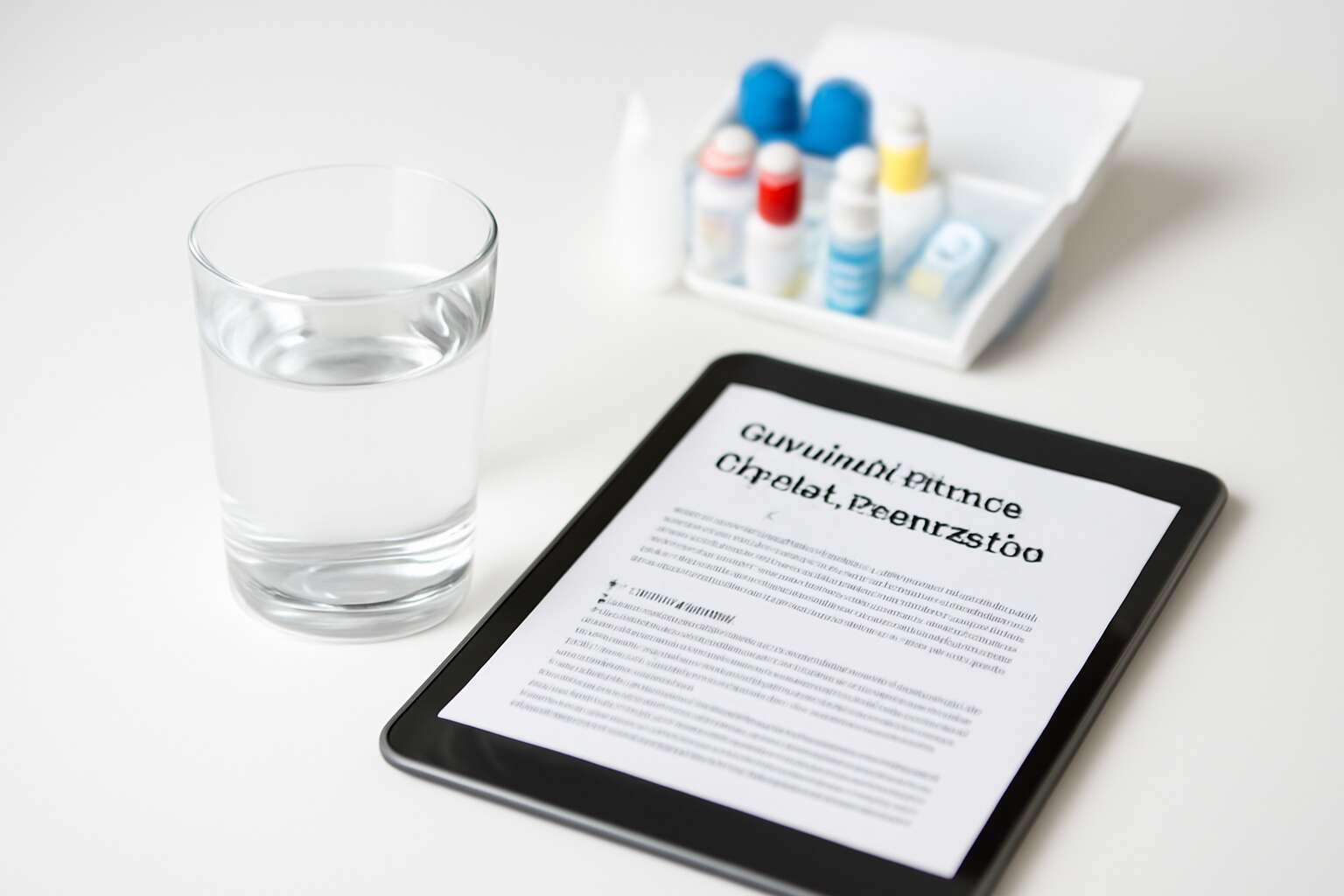
Overview of Drinking Water Quality Standards
What are drinking water quality standards?
In South Africa, every sip is backed by a reliable web of checks—standards that ensure safe water from source to tap. Across towns and rural areas, drinking water quality standards set the limits and tests water suppliers must meet, delivering real confidence to households and small businesses!
What are drinking water quality standards? They are legally defined limits and targets for contaminants, microbes, and taste factors that affect safety. In SA, rules come from the Department of Water and Sanitation and the SANS 241 family, with key documents such as a drinking water quality standards pdf published for public reference. These standards guide treatment, disinfection, and routine sampling to protect public health.
Besides the basics, standards cover microbiological safety, chemical contaminants, and operational controls. They typically include:
- Microbiological: E. coli and total coliforms
- Chemical and aesthetic: pH, turbidity, nitrate, lead, taste, odor
- Disinfection residual and monitoring frequency
Why standards protect public health
In South Africa, every sip is backed by a web of checks—hundreds of thousands of tests run yearly to keep taps safe. These standards translate science into everyday safety, and you’ll find the guiding document, drinking water quality standards pdf, referenced by councils and suppliers alike.
Standards protect public health by setting legally enforceable limits, guiding treatment and disinfection, and prescribing routine sampling. They help engineers design better plants, give operators clear targets, and give households confidence that a glass is as clean as it is supposed to be.
These safeguards rest on a few practical pillars shaping everyday water quality:
- Treatment optimization guided by residual disinfection
- Regular performance audits and publicly accessible results
- Transparent incident reporting when anomalies arise
With a robust framework, households and small businesses gain confidence that each sip is backed by data and governance.
Global vs. local standards: an overview
Globally, one in three people lacks safely managed drinking water. In South Africa, every sip rides on a web of standards that translate science into everyday safety. The drinking water quality standards pdf anchors councils and suppliers, guiding tests, limits, and confidence in taps across the country.
Global guidelines set broad, risk-based targets, while local standards tailor these into legally binding limits, routine sampling, and transparent reporting. The result is a spectrum from international aspiration to municipal practice—consistent with the goal of clean, safe water for all.
Key differentiators include:
- Legal enforceability and compliance mechanisms differ by country
- Testing frequency and parameters reflect local water sources and infrastructure
- Public reporting and performance transparency vary by region
For readers scanning the drinking water quality standards pdf, the takeaway is how numbers connect to audits, incidents, and ongoing improvements at the community level. The data gains meaning when viewed through this layered lens.
Key terms and definitions you should know
Across South Africa, every sip becomes a quiet negotiation between science and trust. The drinking water quality standards pdf acts as a map, translating laboratories into taps, tests into confidence, and audits into accountability. This resource frames the language of safety so households and communities can carry it home.
- Contaminant: any substance—chemical, biological, or radiological—that may pose a health risk or affect taste, odor, or clarity.
- MCL (Maximum Contaminant Level): the legally enforceable ceiling for a contaminant in drinking water.
- Turbidity: a measure of suspended particles that can indicate filtration effectiveness and water clarity.
These terms become practical lighthouses, guiding testing, reporting and ongoing improvement across municipalities and councils.
Major Standards and Guidelines Across Regions
World Health Organization guidelines for drinking water quality
Across continents, water safety is the quiet architecture of daily life. Nearly 2 billion people still drink from sources tainted with fecal contamination, a stark reminder that standards must travel far beyond borders. The World Health Organization’s guidelines for drinking water quality set a humane benchmark, orchestrating health, trust, and resilience in equal measure!
In practice, major standards diverge regionally, yet the WHO guidelines anchor them by outlining core limits for microbes, chemicals, and contaminants. For South Africa, national cadence follows SANS 241 and the NDWQMP, integrating governance with robust monitoring and community accountability. The drinking water quality standards pdf serves as a clear reference point for practitioners and policymakers alike.
- WHO baseline guidelines
- Regional adaptations: EU, US, SA
- Monitoring and NDWQMP in SA
From global harmonization to local vigilance, water safety remains a living treaty between science and society.
U.S. EPA drinking water standards and maximum contaminant levels
Major standards travel across borders, and the U.S. EPA’s drinking water standards and maximum contaminant levels (MCLs) anchor regional practice. For practitioners and policymakers, the drinking water quality standards pdf serves as a practical reference point inside a larger framework that includes WHO guidelines and local adaptations.
Key contaminant families covered by U.S. EPA MCLs include:
- Lead and other heavy metals
- Arsenic and inorganic contaminants
- Nitrate and nitrite
- Fluoride and select chemicals
- Microbial indicators and disinfection byproducts
Across regions, South Africa’s NDWQMP and related governance keep these benchmarks honest on the ground, turning science into practical protection for communities.
European Union drinking water directives and compliance
In the global relay race of public health, EU drinking water directives act as a benchmark that travels far beyond borders. They translate science into enforceable practice, shaping how utilities monitor, treat, and report water quality daily.
EU compliance hinges on a clear framework:
- Drinking Water Directive (Council Directive 98/83/EC) and updates, defining quality criteria and monitoring frequencies
- Enumerated contaminant limits and parametric values to prevent health risks
- Real-time reporting and national transposition that preserves uniform protection
For South Africa, the EU approach intersects WHO guidelines and local governance, offering a familiar reference as utilities adapt to local hydrology while preserving cross-border consistency. The drinking water quality standards pdf serves as a practical reference point inside a broader framework that includes regional governance and national targets.
Other regional frameworks you should know about
Major standards and guidelines cross borders, shaping how utilities monitor, treat, and report water quality daily. In South Africa, the drinking water quality standards pdf offers a familiar frame as local hydrology meets international expectations and public health protections. The document translates science into enforceable practice, clarifying contaminant limits, monitoring cadence, and reporting obligations that keep drinking water safe and accountable!
- Australia and New Zealand: Australian Drinking Water Guidelines (ADWG) provide robust, risk-based benchmarks.
- Canada: Guidelines for Canadian Drinking Water Quality outline contaminant limits and monitoring practices.
- Japan: Drinking Water Quality Standards establish numeric limits and treatment expectations for municipal supplies.
These regional frameworks illustrate how the same health imperative travels with local nuance. The drinking water quality standards pdf serves as a practical reference point for readers comparing approaches and tracking global progress.
Harmonization efforts and international benchmarks
Across the globe, trillions of liters are measured against a patchwork of benchmarks, and safety still wears the crown. About 2.2 billion people live without safely managed drinking water, a stark reminder of why standards exist. The drinking water quality standards pdf acts as a practical compass, turning complex science into enforceable practice for South Africa’s water managers and public health guardians.
Key harmonization touchpoints today tie international guidelines to local reality, keeping utilities accountable and customers protected.
- World Health Organization guidelines for drinking water quality
- European Union directives and compliance frameworks
- Australian Drinking Water Guidelines and Canadian guidelines
This cross-border thread helps readers in South Africa compare approaches, track progress, and see how an ordinary PDF can steer extraordinary outcomes. The drinking water quality standards pdf remains a navigable bridge between global benchmarks and everyday practice for South African utilities and regulators.
Common Contaminants and Safe Thresholds
Microbiological contaminants and their limits
Water that sustains a city can hide quiet threats. A single breach in microbiological controls can ripple through households overnight. Microbiological contaminants are the most urgent signals of a purification failure. In South Africa, where SANS 241 guides practice, the drinking water quality standards pdf informs policy and plant operations, setting limits for these microbes as precise and non-negotiable. They translate complex biology into actionable thresholds, guarding the most vulnerable among us and reminding us that health is a shared stewardship!
- E. coli: should be absent in 100 mL of drinking water, signaling no fecal contamination.
- Total coliforms: used as an indicator; their presence triggers further testing and review within the monitoring framework.
- Giardia and Cryptosporidium: no detectable cysts in representative samples of treated water.
- Other pathogens: the standard often requires zero detectable pathogens in routine samples, reflecting precautionary principles.
These thresholds fuse science with everyday trust, reminding readers that policy must translate into protection rather than rhetoric.
Chemical contaminants: metals, pesticides, and industrial chemicals
Water safety isn’t glamorous, but it’s the unsung hero of every morning routine. Two billion people worldwide still drink from sources contaminated with fecal matter, a sobering reminder that policy and practice must march in lockstep. In South Africa, the drinking water quality standards pdf helps translate science into plant actions, turning lofty thresholds into daily protection!
Chemical contaminants fall into three broad families: metals, pesticides, and industrial chemicals.
- Metals such as lead, arsenic, cadmium, and mercury
- Pesticides including atrazine, glyphosate, and chlorpyrifos
- Industrial chemicals like PFAS, PCBs, and solvents
Safe thresholds translate hazard into actionable limits, no guesswork.
From lab benches to kitchen taps, the numbers matter; they’re the bridge between risk and reassurance.
Disinfection byproducts and other reactive compounds
Two billion people worldwide still drink from sources contaminated with fecal matter; the rest of the water story hinges on careful chemistry and vigilant standards. The disinfection byproducts and other reactive compounds that arise during treatment remind us that safe water is not a static target but a balance. In South Africa, the drinking water quality standards pdf guides operators from science to daily protection, translating hazard into practice.
- Haloacetic acids (HAAs)
- Trihalomethanes (TTHMs)
- Bromate and chlorite
Adhering to these safe thresholds keeps taste and safety aligned, ensuring the journey from lab bench to kitchen tap remains transparent and trustworthy.
Nutrients, pharmaceuticals, and emerging contaminants
More than 2 billion people worldwide still drink from sources contaminated with fecal matter, a stark reminder that safe water hinges on achievable thresholds and vigilant standards. Beyond microbes, common contaminants stress treatment systems: excess nutrients, trace pharmaceuticals, and emerging compounds shape taste, safety, and trust. The drinking water quality standards pdf translates science into daily practice in South Africa, guiding operators from lab bench to kitchen tap.
Key families of contaminants and safe thresholds include:
- Nutrients: nitrate, nitrite, phosphate
- Pharmaceuticals and PPCPs: analgesics, hormones, antibiotics
- Emerging contaminants: PFAS, microplastics, industrial solvents
Acceptable sampling frequencies and detection methods
Across South Africa’s water networks, safe thresholds quietly underpin everyday life. More than 2 billion people worldwide still drink from sources contaminated with fecal matter, a stark reminder that vigilant monitoring must translate science into every tap. We rely on timely sampling to ensure nutrients, pharmaceuticals, and other compounds never erode trust!
- High-risk supplies: monthly sampling for nitrate, nitrite, and trace organics; quarterly checks for general contaminants and residual disinfectants.
- Detection methods: rapid field screening tools for initial assessment, with confirmatory laboratory analyses (LC-MS/MS, ICP-MS) and occasional online sensors for continuous oversight.
For utilities, the choice of frequency and method balances safety with feasibility, and we lean on the drinking water quality standards pdf to keep lab bench, plant floor, and kitchen tap in harmony.
PDF Resources: Finding and Interpreting Standards Documents
Where to locate official drinking water standards PDFs
Across South Africa, clean drinking water is kept in check by a steady stream of standards you can actually read. The figures behind the taps aren’t gossip—they’re codified in documents that steer every municipal decision and every lab result.
For official drinking water quality standards pdf, start with the Department of Water and Sanitation’s portal. That site hosts published standards, guidelines, and amendments you can download directly, cutting through rumor and outdated copies. To have the drinking water quality standards pdf in one place for briefing, these sources are ideal.
- Department of Water and Sanitation official website
- South African Bureau of Standards (SABS) standards portal (SANS 241 PDFs)
- South Africa government gazette and technical guidance archives
Always verify the edition year; PDFs reflect updates following new health risk assessments!
Interpreting tables, limits, and footnotes in PDFs
In South Africa, the drinking water quality standards pdf sits at the intersection of policy and practice. These PDFs translate complex lab data into actionable safeguards, guiding municipal decisions and treatment plant operations. From the Department of Water and Sanitation to SABS portals, the documents anchor safety, while amendments drift in to reflect evolving health insights!
- Tables that present contaminant limits and acceptable ranges
- Footnotes that clarify sampling conditions and exceptions
- Appendices detailing testing methods and reference standards
- Amendments and edition dates that mark updates
Interpreting the numbers demands literacy with units (mg/L, µg/L) and a sense of regulatory context. The PDF may juxtapose microbiological, chemical, and disinfection byproducts limits, with cross references to national standards such as SANS 241. Read as a single document, it maps the practical landscape of drinking water quality standards pdf.
PDF-based guidance for compliance and audits
PDF resources act as the quiet engines of regulatory compliance—once you know where to look, you can trace every safeguard from source water to shipment. In South Africa, accuracy in audits hinges on the drinking water quality standards pdf, a single document that threads lab results, treatment protocols, and monitoring schedules into a defendable narrative for inspectors.
- Official portals and repository pages where the PDF is maintained, including national departments and standards bodies.
- Audit-ready summaries and embedded checklists that translate dense data into actionable steps.
- Version history and amendment timelines that reveal when changes entered effect and why.
With that in hand, professionals can align plant operations with evolving safety expectations without getting lost in jargon.
Tracking updates and amendments in standard PDFs
A single, well-kept drinking water quality standards pdf can shrink audit timelines!
In South Africa, these PDFs live on official portals tied to national departments and standards bodies. They weave lab results, treatment protocols, and monitoring schedules into a defendable inspector’s narrative. For professionals, the right document eliminates guesswork and anchors compliance in a single, auditable source.
Key features to track in these PDFs include:
- Official portals and repository pages where the PDF is maintained, including national departments and standards bodies.
- Audit-ready summaries and embedded checklists that translate dense data into actionable steps.
- Version history and amendment timelines that reveal when changes entered effect and why.
With these resources, teams stay current as standards evolve, keeping reporting tight and transparent.
Implementation, Compliance, and Public Health Impact
Monitoring and testing protocols in practice
Implementation in South Africa begins by weaving the drinking water quality standards pdf into local planning—treatment upgrades, data platforms, and operator training rise like vines along a pipeline of accountability. Utilities translate generic limits into site-specific targets, then schedule maintenance and calibration so every drop is measured against a living standard.
Compliance travels from policy to practice through audits, licensing, and public reporting. Water services authorities must demonstrate adherence, and failures trigger corrective actions. To make this tangible, consider:
- Regular sampling and QA checks
- Third-party audits and certifications
- Public dashboards and annual compliance reports
Public health impact is the quiet chorus of data—microbiological tests for coliforms, chemical scans for metals and nitrates, and trend analysis that flags emerging threats. In practice, monitoring links laboratory results to reservoir management, enabling rapid alerts and protective actions for communities across South Africa.
Public communication and transparency of water quality data
In South Africa, implementation threads the drinking water quality standards pdf into planning—treatment upgrades, data platforms, and operator training—so accountability grows along the pipeline. Sites convert global limits into on-site targets, aligning maintenance and calibration with a living standard that never sleeps.
Compliance travels from policy to practice through audits, licensing, and public reporting. Water services authorities must show adherence, and failures trigger corrective actions.
- Regular sampling and QA checks
- Independent audits and accreditations
- Public dashboards and annual compliance reports
Public health impact is the quiet chorus of numbers—microbiological tests, chemical scans, and trend analysis—that steer reservoir management and safeguard communities. Public communication and transparency turn data into civic breath: the drinking water quality standards pdf opened to all builds trust and vigilance.
Case studies: successful standard implementation
Implementation in South Africa means turning policy into action—treatment upgrades, data platforms, and operator training—guided by drinking water quality standards pdf. The aim is a living standard that never sleeps, aligning maintenance and calibration with real-world performance on every pipeline.
- Real-time data platforms linked to treatment controls
- Regular calibration, QA checks, and SOP-driven sampling
- Operator training and competency licensing
Compliance travels from policy to practice through audits, licensing, and public reporting. Water services authorities must show adherence, and failures trigger corrective actions. Public dashboards and annual compliance reports keep the pressure honest.
Public health impact rides on microbiological tests, chemical scans, and trend analysis that steer reservoir management and safeguard communities. Case studies of successful standard implementation demonstrate how transparent data and steady oversight translate into safer taps for everyone.
Staying current with updates to standards and guidelines
Implementation in South Africa blends policy with action. As updates flow from the drinking water quality standards pdf, treatment plants upgrade, digital dashboards hum to life, and operators sharpen their craft. The aim is a living standard that never sleeps, bending to real-world performance on every trunk line and distribution branch.
- Real-time data integration with plant controls
- Regular instrument calibration and QA checks
- Continual operator training and certification
Compliance travels from policy to practice through audits, licensing, and public reporting. Water services authorities must show adherence, and missteps trigger corrective action. Public dashboards and annual reports keep performance visible and accountability high across municipalities.
Microbiological tests, chemical scans, and trend analysis guide reservoir management and safeguard communities. When the drinking water quality standards pdf updates arrive, the resulting insights sharpen monitoring programs and turn dashboards into early warning systems that protect every tap in South Africa.
Future trends in drinking water quality regulation and technology
Implementation in South Africa blends policy with action, turning standards into practical safeguards. As one SA engineer puts it, ‘Policy without practice is a dry draught.’ Real-time data streams pulse through plant controls, dashboards hum to life, and operators sharpen their craft. The result is a living standard that evolves with every trunk line and branch.
Compliance travels from policy to practice through audits, licensing, and transparent reporting. The drinking water quality standards pdf updates ripple across municipalities, prompting corrective action when missteps appear and driving public dashboards to reflect truth in taps.
- Audits and licensing reinforce accountability
- Public dashboards keep communities informed
- Annual reporting closes the loop
Looking ahead, I see public health impact will hinge on predictive analytics, smarter sensors, and citizen-facing transparency. Digital twins, non-invasive testing, and modular treatment plant upgrades promise resilience, while South Africa’s networks become more equitable—because clean water serves every tap, everywhere.


0 Comments