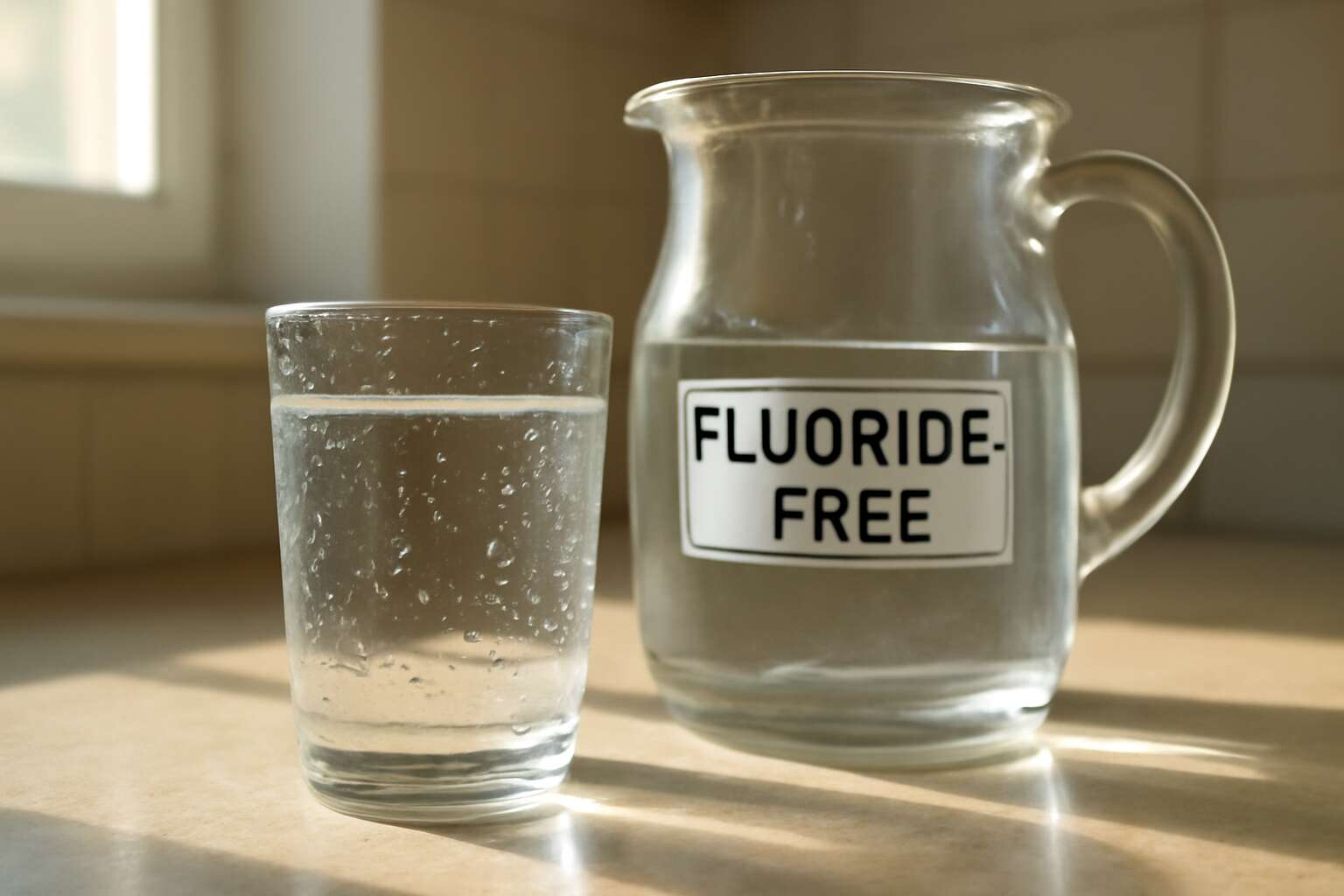
Understanding Fluoride and Why Some Seek Fluoride-Free Water
What fluoride is in drinking water
Across South Africa, water carries more than nourishment; it carries memory and choice. In some regions, fluoride sits in the glass as a quiet policy of protection and palate, shaping the moment one sips and reflects.
Fluoride is a mineral that can occur naturally or be added to municipal supplies to support dental health. Levels vary by province and city, influencing both taste and the sense of safety that accompanies each sip.
Why do some seek fluoride-free options? The reasons blend taste, health beliefs, and personal preference.
- Taste and mouthfeel influence daily hydration
- Concerns about long-term exposure and bone health
- Desire for control over water sources and additives
For some, drinking water without fluoride becomes part of their daily ritual.
Health considerations and debates about fluoride
Every sip is a political act! Understanding fluoride sits at the crossroads of health policy and personal choice. For some households, the goal is drinking water without fluoride.
These questions surface in daily choices and city pipelines alike:
- Taste, texture, and how water feels on the palate
- Public health trade-offs and long-term debates
- Practical access to fluoride-free options and filtration choices
Health debates center on whether fluoride reduces cavities vs potential risks, with some communities supporting continued fortification and others calling for opt-out options. The outcome is not purely medical; it is about trust in regulators and the lived experience of residents across provinces.
Guidelines and safe ranges for fluoride
Across South Africa’s varied tap sources, fluoride politics run like a river through a mosaic of towns. Some households pursue drinking water without fluoride, turning a simple sip into a small act of personal choice. Policy, trust, and taste mingle in every kitchen discussion.
Experts frame fluoride within safe ranges: guidelines cap at 1.5 mg/L, with regional targets around 0.7–1.0 mg/L. The numbers stand beside questions about filtration, access, and taste.
- taste and palate perception
- home or communal filtration options
- equity of supply in municipalities
Ultimately, the conversation reads like a map of trust—where science, policy, and everyday flavor align as provinces shape their own currents.
Reasons people prefer fluoride-free water
Fluoride swims at the edge of daily life, a quiet variable in every glass. Across South Africa, taste and trust shape private decisions: some households pursue drinking water without fluoride, turning a simple sip into a personal act.
These choices often hinge on sensory cues and the practicalities of filtration.
- taste and palate perception
- home or communal filtration options
- equity of supply in municipalities
The conversation maps trust—where science, policy, and daily flavor align as communities carve their own currents.
Common myths about fluoride in water
Taste reveals truth at the glass edge—“Every sip tells a story,” as a South African water advocate says. In fluoride debates, the choice of water becomes a personal ritual blending palate and trust.
Understanding fluoride means moving beyond binary soundbites. Fluoride serves dental health, yet perceptual cues—taste, after-feel, filtration—shape why some communities pursue drinking water without fluoride, especially where supply and trust in local sources diverge.
Common myths about fluoride in water endure. Here are beliefs that surface when discussing drinking water without fluoride:
- Myth: Fluoride is a dangerous toxin in any amount.
- Myth: Fluoridation equals government overreach or mass medication.
- Myth: Fluoride-free water is inherently purer or safer.
Recognizing these myths helps people navigate taste, policy, and daily life in South Africa.
How to Obtain Fluoride-Free Water
Methods to remove fluoride at home
Hydration should be certain, not speculative. A local water advocate once quipped, “Clear water is a quiet contract with health.” In South Africa, many households seek beverages that feel trustworthy, clean, and balanced—without the ghost of uncertainty about what leaches into the glass. I’ve seen that certainty turn mornings into rituals!
Several at-home approaches balance efficacy with everyday practicality. Consider the broad families of technology used in households:
- Reverse osmosis systems
- Distillation units
- Activated alumina media
For households seeking drinking water without fluoride, choices differ by cost, maintenance, and local availability. RO and distillation deliver the strongest reduction, while media options offer steady quality with less fuss. The right setup blends science with South African sensibility and taste.
DIY fluoride removal devices and setup
A local water advocate once quipped, “Clear water is a quiet contract with health.” In South Africa, that contract feels especially personal—households want something that reads as trustworthy, clean, and balanced.
When it comes to DIY fluoride removal devices, three broad families stand out for homes:
- Reverse osmosis systems
- Distillation units
- Activated alumina media
For households seeking drinking water without fluoride, choices differ by cost, maintenance, and local availability. The strong performers—RO and distillation—sit at one end, while media-based approaches offer steadier, simpler upkeep. The right setup blends science with South African sensibility and taste.
As a practical note, think about installation footprint, supplier support, and future-proofing. It’s less about rigging a lab bench and more about a sensible, sustainable habit that South Africans can actually sustain, day after day.
Choosing bottled water labeled fluoride-free
In South African kitchens, water is more than refreshment—it’s a small, earnest vow you keep with your body. A trusted local quip frames the moment: authenticity in every swallow matters. For those seeking drinking water without fluoride, choosing bottled water labeled fluoride-free offers a simple, tangible route that respects taste and health concerns.
Labels tell a story: they hint at source, filtration, and quality controls without shouting jargon. In a market where options range from austere to indulgent, the fluoride-free claim on a bottle can be a quiet reassurance—consistent flavour, steady supply, and the confidence that you’re sipping that very drinking water without fluoride, aligned with your preferences and South African sensibility.
Municipal water options and fluoride exemptions
In South Africa, every glass of water is a quiet pledge to personal wellbeing. For those seeking drinking water without fluoride, the discussion often begins with the municipal supply and the district’s water quality reports, which quietly reveal the fluoride trajectory at your taps.
Municipal options vary by region. Some districts maintain fluoride-exemption policies or offer alternative routes for households with sensitivities, all within public health guidelines and treated-water records. The key is to understand what your supplier publishes and what exemptions, if any, exist in the local system.
- Review the district’s latest water quality report for fluoride levels
- Inquire about any fluoride exemption policies or alternative supplies offered by the municipality
- Consider trusted bottled options labeled fluoride-free when municipal sources do not align with taste or health preferences
Comparing filtration systems by effectiveness and cost
A glass of water carries trust. In South Africa, the search for fluoride-free water blends taste with the quiet mercy of a well-chosen filter. The right system reads the fluoride removal chart like a map and speaks to your budget without fanfare.
For those pursuing drinking water without fluoride, comparing filtration systems by effectiveness and cost reveals a spectrum of choices. Consider fluoride removal claims, daily usage, and media life. In this market, upfront price and ongoing maintenance matter as much as science.
- Reverse osmosis: high fluoride removal, but higher upfront cost and water-waste considerations
- Activated alumina: solid fluoride reduction, budget-friendly, with medium media life
- Distillation: thorough purity, but energy use and slower throughput
- Carbon-based options: taste improvements, yet fluoride removal is limited
Comparing Fluoride-Free Water to Fluoride-Containing Water
Health impact differences
Two streams guide South African kitchens: one carries fluoride as a steady companion, the other offers the clean honesty of drinking water without fluoride. That choice sits at the intersection of tradition, taste, and personal health philosophy, turning every sip into a small act of water stewardship and a nod to individual preferences.
Health differences emerge in nuance. Fluoride-containing water can support enamel remineralization in developing teeth, while fluoride-free water puts the spotlight on daily hygiene, diet, and alternative cavity-prevention habits. The balance shifts with local water sources, filtration options, and the values shaping trust in the tap.
- Dental health dynamics: reliance on topical or dietary fluoride may differ when the tap is fluoride-free.
- Safety profile: reducing systemic fluoride exposure can lower the risk of fluorosis in sensitive populations while maintaining dental care.
- Sensory notes: mineral balance and taste can subtly change when fluoride is absent from the supply.
In South Africa, this choice intertwines municipal realities, private supply options, and personal comfort, inviting readers to consider how context and values shape the water that meets the glass each day.
Taste, mineral content, and palatability
Two streams meet in every South African kitchen, yet only one asks the tongue to reimagine a daily habit. When you compare drinking water without fluoride to fluoridated water, the palate notices subtle shifts in freshness, finish, and mineral presence.
Fluoride-bearing water often carries a smoother mineral signature, while fluoride-free variants can feel brighter, crisper, or more mineral-forward depending on source. In South Africa, municipal blends, well water, and filtration choices color these impressions.
- Mineral balance: a defined ring of taste that can feel either bright or muted
- Texture: crisp, clean mouthfeel versus a softer, rounded palate
- Aftertaste: lingering notes of salt, sweetness, or metallic hints
Taste, memory, and personal comfort coalesce in every glass, making the comparison a ritual of water stewardship rather than a prescription.
Cost and environmental considerations
“Water is a budget we live by,” and in South Africa that budget includes fluoride choices. When you choose drinking water without fluoride, you’re weighing more than taste—you’re weighing filtration costs, energy, and the habit of daily procurement. Municipal supplies that carry fluoride are often bundled into public utilities, while fluoride-free routes lean on home systems, boreholes, or bottled water, each with its own economic and environmental cadence.
- Equipment and replacement filters
- Energy use and water waste from filtration
- Packaging and transport emissions when opting for bottled fluoride-free water
Ultimately, the choice reflects values and the environmental cost of source and supply. In South Africa, the footprint shifts with whether water is treated municipally or drawn from boreholes, and how diligently one manages waste associated with filtration or packaging.
Public health context and personal choice
South Africa’s water tapestry is a living ledger, where every sip carries policy, place, and possibility. Fluoride sits at the intersection of public health and personal preference, offering protection for some while inviting debate for others. In this landscape, choosing how you quench your thirst becomes a gentle negotiation with science and taste.
Public utilities push fluoride as a standard safeguard, but many households balance taste, trust, and the energy cost of alternatives. For those exploring alternatives, drinking water without fluoride becomes a quiet experiment in daily choice.
- Public health context and safety margins
- Personal risk perception and daily routines
- Environmental footprint of source and delivery
The narrative moves with the water’s journey—from municipal systems to private wells—shaping how communities experience hydration as both science and story.
Practical Considerations and Safety for Fluoride-Free Water
Home fluoride testing methods
Water doesn’t lie, but your DIY fluoride test might. For those chasing drinking water without fluoride, the appeal is tangible: clearer taste, calmer wallets, and fewer nitpicky myths to debunk.
Practical considerations: Home tests vary in sensitivity; read the package for detection limits and potential mineral interference. Pick methods that align with your water source—municipal taps, boreholes, or that mysterious well you pretend isn’t there—and remember: a single reading rarely tells the whole story.
- Choose brands with transparent accuracy data and independent reviews.
- Respect expiry dates and storage requirements to avoid bogus results.
- Use lab confirmation when precise fluoride levels matter for health decisions.
Safety first: handle reagents like you handle pepper spray—carefully and away from kids. Store per instructions, dispose of waste responsibly, and if results seem dubious, treat them as signals to seek the lab’s opinion.
Filter maintenance and replacement schedules
South Africa’s water story is practical and poetic: every glass of drinking water without fluoride arrives with a promise of purity and responsibility. As tastes sharpen and wallets stretch, a well-maintained filter becomes the quiet guardian of that promise, delivering clarity with every pour.
For those pursuing drinking water without fluoride, practical maintenance matters as much as taste. Track the filter’s life from installation, watch for slowed flow, and follow the manufacturer’s replacement window—often six to twelve months for common cartridges. Use the flow and hardness of your water to guide changes, and keep a simple log.
- Keep a maintenance log with dates and observations
- Replace cartridges per manufacturer guidance (typically every 6–12 months)
- Inspect seals and O-rings; replace if cracked or stiff
- Flush new filters to remove loose media and check for leaks
Safety first: handle cartridges and resins with care, gloves on, away from curious hands. Store spares per instructions and dispose of spent media responsibly; if performance seems off, consult the supplier or a local lab.
Certified filtration systems to look for
In a landscape where every sip writes a verdict, the right filtration system becomes your compass toward drinking water without fluoride. A trusted seal is more than marketing—it’s a guarantee that fluoride removal is proven and safe. Look for systems with credible certifications, and read data sheets as if they were ancient scrolls: clear performance claims, tested conditions, and transparent maintenance expectations.
- Certification credibility: NSF/ANSI standards for fluoride reduction; confirmed test conditions and real-world performance
- Materials safety: BPA-free housings, food-grade resins, durable seals
- Support and disposal: guidance on spent media and access to service
Safety matters: gloves are recommended when handling cartridges; spares should be kept away from curious hands, and disposal routes should be clear. If anything seems off, consult the supplier or a local lab to keep your drinking water without fluoride pristine.
Mitigating mineral loss and potential risks
Practical considerations for drinking water without fluoride begin with mineral balance and cautious maintenance in South African kitchens. Fluoride removal can strip some minerals, so look for post-filter remineralization or taste-enhancing options to keep palatability consistent. Verify that your system preserves essential minerals, and monitor taste and water feel after replacements to catch any shifts early.
Safety matters: handle cartridges with gloves; store spares out of reach of children, and dispose of spent media according to local guidelines.
- Wear gloves when handling cartridges to protect skin
- Keep spare cartridges and tools out of reach of children
- Follow local disposal routes for spent media
This small vigilance helps keep every sip pristine.


0 Comments