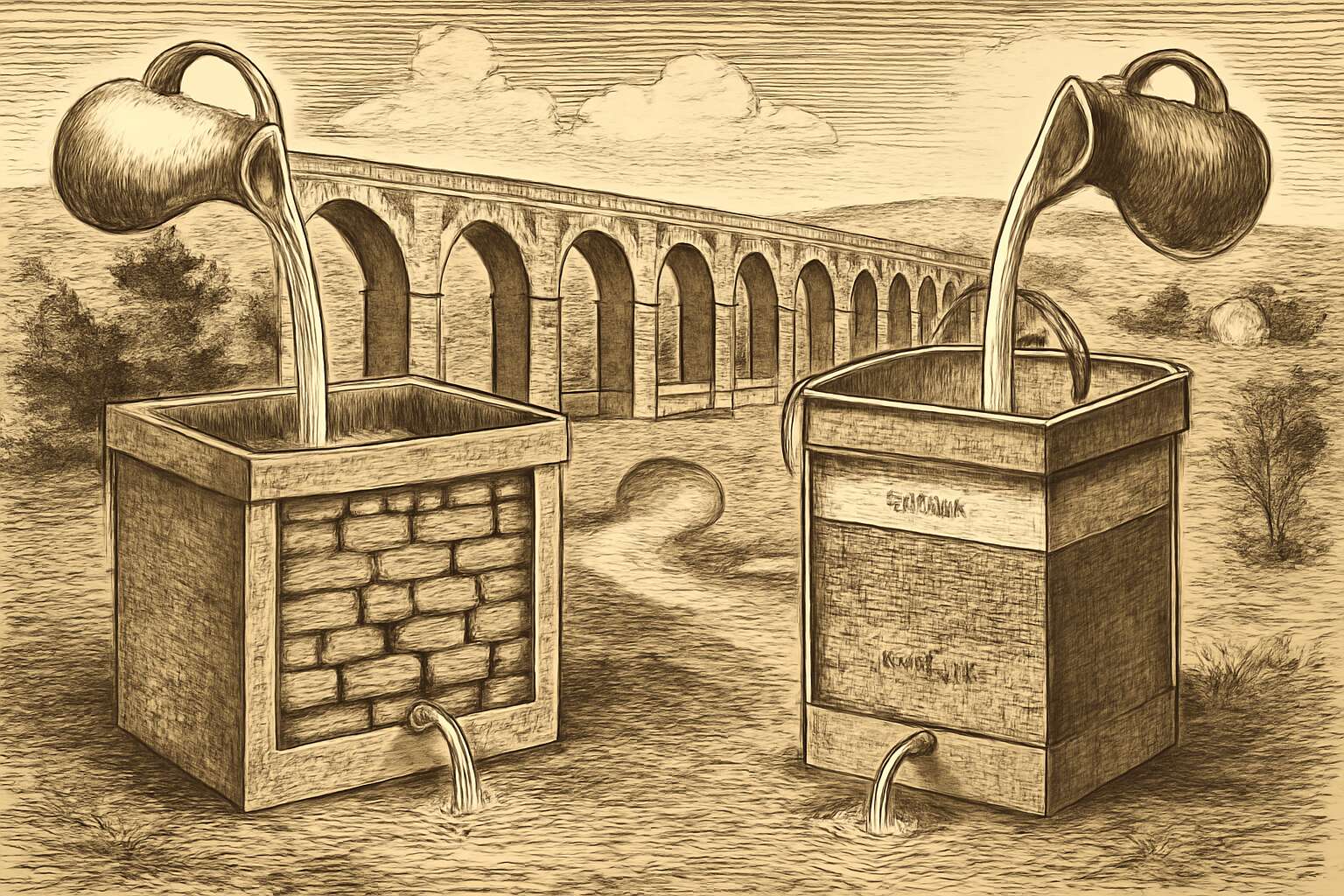
Ancient Water Purification Methods
Early Civilizations and Water Sources – Use of natural water bodies by Mesopotamians, Egyptians, and Indus Valley civilizations
Ancient civilizations laid the groundwork for the history of drinking water treatment, relying heavily on their natural water sources like rivers, lakes, and springs. The Mesopotamians, for example, understood the importance of water quality long before modern science, often constructing rudimentary filtration systems using gravel, sand, and charcoal to remove impurities from their water supplies. Similarly, the Egyptians harnessed the Nile’s life-giving waters, developing simple yet effective methods such as settling basins to clarify water before use.
The Indus Valley civilization was renowned for its advanced urban planning, which included sophisticated water management practices. They utilized well-designed drainage systems and water reservoirs to ensure cleaner water for their communities. These early civilizations recognized that water sources needed to be carefully managed and treated to prevent disease and sustain their growing populations. Their ingenuity in harnessing natural water bodies set the stage for subsequent innovations in the history of drinking water treatment, highlighting humanity’s enduring quest for safe and pure water.
Primitive Filtration Techniques – Sedimentation, boiling, and manual filtering with natural materials like sand and charcoal
Long before the advent of modern engineering, humanity’s quest for purity in drinking water was driven by necessity and ingenuity. Primitive filtration techniques, rooted in empirical observation rather than scientific precision, serve as a testament to early civilizations’ determination to secure safe water. Sedimentation, for instance, was among the earliest methods—simply allowing water to stand so heavier impurities could settle at the bottom. This rudimentary process, though basic, significantly reduced the prevalence of waterborne diseases.
Boiling water became another cornerstone in the history of drinking water treatment, offering a straightforward yet effective means to eliminate pathogens. It was a revelation at a time when the understanding of germs was still nascent, yet the practice proved remarkably effective in preventing illness. Simultaneously, manual filtering with natural materials such as sand and charcoal emerged as a practical solution. These materials, abundant and accessible, acted as physical barriers to impurities, enhancing water clarity and safety.
- Sedimentation for impurity removal
- Boiling to kill harmful microbes
- Manual filtering with sand and charcoal
Each of these primitive techniques exemplifies the resourcefulness of early engineers and their intuitive grasp of water’s essential role in health. They laid the foundational principles that would eventually evolve into more sophisticated methods in the ongoing history of drinking water treatment—methods that continue to protect millions today, even in regions like South Africa where water safety remains a vital concern.
Cultural Practices and Rituals – Water purity in religious and cultural contexts
Throughout history, water has held a sacred place in the tapestry of human culture, often intertwined with rituals that transcended mere necessity. In many ancient societies, purity of water was not just a matter of health but a spiritual imperative—an act imbued with divine significance. Temples and sacred sites were often situated near pristine water sources, revered as conduits to the divine, where rituals purified both body and soul.
In Egypt, water was sanctified through religious ceremonies, with priests performing rites that symbolized cleansing and renewal. Similarly, in South Africa and across Africa, communal rituals involving water underscored its pivotal role in cultural identity and spiritual life. These practices reflected an intuitive understanding of water’s vital importance long before scientific methods emerged. Sometimes, purification was achieved through a series of symbolic acts, such as pouring water over sacred objects or into consecrated vessels, reinforcing its divine status.
Ancient civilizations also developed cultural practices and rituals that emphasized the importance of water purity—practices that often prefigured modern concepts of water treatment. For example, some communities used natural elements like clay or herbal infusions to purify water spiritually, echoing early efforts to safeguard health. These traditions reveal an innate recognition that water, in its purest form, is a gift that must be revered and protected. Such practices laid the cultural groundwork for the evolution of scientific understanding in the history of drinking water treatment, blending reverence with rudimentary yet profound methods of purification.
Medieval to Renaissance Water Treatment Innovations
Urban Water Systems Development – Introduction of aqueducts and early pipe systems
As civilizations flourished across the landscape of history of drinking water treatment, a remarkable shift unfolded during the Medieval to Renaissance periods. Ingenious engineers and visionaries harnessed the power of aqueducts, transforming the way urban populations accessed water. These ancient marvels, often considered the backbone of early urban water systems, carried water across great distances, defying natural obstacles with a blend of artistry and practicality.
In this era, the introduction of early pipe systems signified a profound leap forward. Crafted from clay, lead, and wood, these conduits became the arteries of burgeoning cities, ensuring a more reliable and cleaner water supply. The development of such infrastructure not only improved public health but also underscored a growing understanding of the importance of water quality. As cities expanded, so did the complexity of their water systems, weaving a tapestry of innovations that laid the groundwork for modern drinking water treatment methods. It’s a testament to human ingenuity—turning water from mere necessity into a symbol of civilization’s progress!
Manual Disinfection Approaches – Boiling and chemical uses such as sulfur and lime
In the grand tapestry of the history of drinking water treatment, the Medieval to Renaissance periods shimmer with ingenuity and pragmatic innovation. As cities swelled and populations yearned for cleaner water, early efforts at manual disinfection took center stage. Boiling water, a simple yet profound act, became a cornerstone of sanitation, transforming murky streams into life-sustaining elixirs. This primitive sterilization method, rooted in observation and necessity, proved that heat could vanquish unseen pathogens with unwavering certainty.
Beyond boiling, ancient engineers experimented with chemical agents like sulfur and lime—substances known to possess purifying properties. Sulfur, with its antimicrobial qualities, was sometimes added to water to curb foul odors and reduce microbial load. Lime, meanwhile, served to elevate pH levels, precipitating impurities and clarifying the water. These early chemical uses marked a pivotal evolution in the history of drinking water treatment, blending empirical knowledge with practical application.
Interestingly, these manual disinfection techniques were often complemented by natural filtration methods, such as sedimentation and filtering through layers of sand or charcoal. These rudimentary yet effective processes laid the groundwork for modern water treatment, demonstrating humanity’s relentless pursuit to tame nature’s wild waters. The marriage of fire and earth in these innovations underscored a profound understanding: that safeguarding health begins with purifying the very water that sustains us.
Early Efforts in Contamination Control – Storing water in reservoirs to reduce sediment and pathogens
During the Medieval to Renaissance periods, the quest for cleaner, safer drinking water took on a new urgency as burgeoning cities faced the mounting challenge of contamination. Early efforts in contamination control became a testament to human ingenuity—an age where natural reservoirs were harnessed, and rudimentary yet effective methods were devised. Reservoirs, often constructed from stone or earth, served as vital buffers, allowing sediments and pathogens to settle out of the water. This natural sedimentation process was one of the earliest forms of water purification, transforming turbid streams into more manageable supplies.
As urban populations expanded, so too did the sophistication of water management. Engineers and city planners began to recognize the importance of storing water in designated reservoirs to reduce microbial risks and improve clarity. These reservoirs acted as a form of primitive filtration, holding back larger particles and giving nature time to perform its purification dance. This innovation laid the groundwork for more advanced water treatment techniques, ultimately shaping the trajectory of the entire history of drinking water treatment in human civilization.
Industrial Revolution and Modern Advances
Introduction of Chemical Disinfection – Chlorination and its impact on water safety
The dawn of the Industrial Revolution marked a pivotal chapter in the history of drinking water treatment. As urban centers swelled and industrial activity surged, the challenge of ensuring safe water became more pressing than ever. Cities grappled with contaminated supplies, often plagued by outbreaks of cholera and typhoid. It was during this era that innovative solutions emerged, transforming the way humanity approached water safety.
One of the most significant breakthroughs was the introduction of chemical disinfection, particularly chlorination. This process, pioneered in the early 20th century, revolutionized water treatment by effectively eliminating waterborne pathogens. Chlorination’s impact was profound, dramatically reducing waterborne diseases and safeguarding public health for millions. Its adoption not only marked a milestone in the history of drinking water treatment but also laid the foundation for modern water safety standards worldwide.
Today, chemical disinfection remains a cornerstone of advanced water treatment, a testament to the enduring legacy of those early innovations. The seamless integration of chlorination into urban water systems exemplifies how scientific progress can save lives, transforming water from a potential threat into a vital resource for thriving communities.
Development of Filtration Technologies – Rapid sand filters and slow sand filtration processes
The Industrial Revolution ignited a seismic shift in the history of drinking water treatment, propelling urban centers into an era of unprecedented growth and complexity. As cities expanded rapidly, the need for more effective methods to combat contamination became urgent. This urgency spurred innovation, leading to the development of filtration technologies that are still foundational today.
One of the most transformative advancements was the advent of rapid sand filters. These systems allowed for faster processing of large volumes of water, making them indispensable for municipal water supplies. Complementing this innovation was the slower, more meticulous process of slow sand filtration, which relied on natural biological layers to purify water gradually. Together, these filtration methods revolutionized how communities accessed safe drinking water, drastically reducing the spread of waterborne diseases.
- The rapid sand filter, introduced in the early 20th century, became a critical component of modern water treatment plants due to its efficiency and scalability.
- Meanwhile, slow sand filtration persisted as an affordable and sustainable approach, especially in rural or less developed regions.
By integrating these filtration technologies, water treatment evolved into a sophisticated science, paving the way for safer, cleaner drinking water worldwide. The ongoing development of filtration methods remains central to the history of drinking water treatment, reflecting humanity’s relentless pursuit of purity and health in our most vital resource.
Waterborne Disease Control – Recognizing and combating cholera, typhoid, and other waterborne diseases
The history of drinking water treatment is a testament to human ingenuity and resilience in the face of invisible threats. During the Industrial Revolution, urban centers grappled with devastating waterborne diseases like cholera and typhoid, which claimed countless lives before effective control measures emerged. Recognizing the link between contaminated water and disease was a pivotal moment in public health history—one that propelled innovations in water treatment and sanitation.
Initially, efforts focused on rudimentary disinfection methods such as boiling and chemical additives like sulfur and lime. These early interventions laid the groundwork for more sophisticated approaches. Eventually, the development of chemical disinfection, particularly chlorination, revolutionized water safety worldwide, drastically reducing disease outbreaks. In South Africa, these advancements helped transform urban water systems, making clean water accessible to millions.
- Implementation of filtration technologies like rapid sand filters increased the capacity of water treatment facilities.
- Slow sand filtration persisted as a cost-effective and sustainable method, especially in rural areas.
Today, the history of drinking water treatment continues to evolve, driven by scientific innovation and societal commitment to health. The battle against waterborne diseases remains ongoing—yet, each milestone in this journey underscores humanity’s relentless pursuit of purity and well-being in our most vital resource.
Contemporary Drinking Water Treatment Techniques
Advanced Filtration Methods – Activated carbon, membrane filtration, and UV purification
In the relentless quest for pure water, modern techniques have transformed the history of drinking water treatment into a high-stakes game of innovation and precision. Today’s advanced filtration methods are not just about removing contaminants—they are about redefining safety standards in a world where waterborne diseases still pose a threat. Activated carbon filters, for instance, have become essential for adsorbing organic compounds and improving the taste and odour of drinking water. Meanwhile, membrane filtration—such as ultrafiltration and nanofiltration—acts as an invisible barrier against bacteria, viruses, and even some chemicals, ensuring a level of purity once thought impossible.
UV purification, another breakthrough, harnesses ultraviolet light to neutralize pathogens at the molecular level—no chemicals required. This combination of innovative techniques exemplifies how the contemporary water treatment landscape is evolving rapidly, driven by the need for safer, cleaner water sources. These advancements are not just technical achievements; they are the culmination of centuries of effort, shaping the ongoing story of the history of drinking water treatment into an extraordinary saga of human ingenuity and resilience.
Chemical Treatment and Disinfection – Chlorination, ozone, and chloramine use
As humanity’s understanding of water’s vital importance deepened, so too did the sophistication of chemical treatment and disinfection methods. In the relentless pursuit of potable water, the history of drinking water treatment reveals a complex ballet of innovation, caution, and scientific rigor. The advent of chlorination marked a pivotal moment—its ability to drastically reduce waterborne diseases like cholera and typhoid transformed urban health standards overnight. Yet, the story does not end there.
Ozone and chloramine, newer chemical disinfectants, have emerged as crucial alternatives, offering prolonged residual effects and minimizing the formation of harmful by-products. These chemicals serve as invisible guardians, maintaining water safety through a delicate balance of chemistry and timing. In fact, the application of these disinfectants often involves a sophisticated sequence—initial oxidation with ozone, followed by chloramination—to optimize efficacy and safety. Such nuanced processes exemplify the ongoing evolution within the rich tapestry of the history of drinking water treatment.
- Chlorination’s role in eradicating waterborne diseases
- Ozone’s rapid oxidizing power for advanced disinfection
- Chloramine’s longevity in maintaining water quality
This intricate interplay of chemical methods underscores how modern techniques are not merely about sanitation—they reflect a profound understanding of water chemistry, public health, and environmental impact. As the history of drinking water treatment continues to unfold, it remains a testament to human ingenuity and relentless resilience against the persistent threat of waterborne pathogens.
Monitoring and Quality Assurance – Real-time testing, regulatory standards, and accreditation
In today’s world, where access to clean drinking water is often assumed, it’s astonishing to realize how recent some of the most vital advancements are. The history of drinking water treatment reveals a relentless quest—an unyielding human drive—to safeguard health and preserve life. Modern techniques like real-time testing and stringent regulatory standards are the culmination of centuries of innovation, each stage shaped by societal needs and scientific breakthroughs.
In contemporary systems, monitoring water quality is no longer a manual or intermittent task. Instead, real-time testing technologies continuously analyze parameters such as microbial presence, chemical contaminants, and pH levels. This proactive approach ensures that water safety is maintained at every juncture, enabling swift responses to any anomalies. Regulatory standards, often rooted in international benchmarks, serve as the moral compass guiding water treatment practices—an ongoing commitment to public health that echoes through the corridors of modern water management.
Accreditation processes further elevate the integrity of water treatment facilities. They validate adherence to rigorous quality assurance protocols, fostering transparency and accountability. Such measures are essential in a landscape increasingly defined by complex chemical and biological challenges, where maintaining public trust demands more than just compliance—it demands excellence in execution.
As the history of drinking water treatment continues to evolve, the integration of innovative monitoring solutions exemplifies a profound understanding of water’s vital role. It reflects a collective acknowledgment that safeguarding water isn’t merely technical—it’s a moral imperative rooted in our shared humanity and unwavering resilience.
Future Trends in Drinking Water Treatment
Emerging Technologies – Nanotechnology, smart sensors, and AI-driven water management
As technology marches forward, the future of drinking water treatment promises innovations that could revolutionize how we ensure safe, pure water for all. Emerging technologies like nanotechnology are already making waves—tiny particles that can remove contaminants at a scale unseen by the naked eye. Imagine water purification systems so advanced that they can eliminate even the most stubborn pollutants with unprecedented precision.
Smart sensors are transforming water management, providing real-time data that enables instant responses to contamination threats. These intelligent devices can detect chemical imbalances, pathogens, and pollutants, ensuring water quality remains consistently high. Coupled with AI-driven water management systems, the potential for predictive analytics and automated adjustments is immense, creating a new era of proactive water safety.
In South Africa, where access to clean water remains a challenge, these innovations could be game changers—helping communities prevent waterborne diseases and improve public health. The history of drinking water treatment is rich with human ingenuity, and now, cutting-edge advancements promise an even cleaner, safer future for generations to come.
Sustainable Practices – Green infrastructure, energy-efficient processes, and water recycling
As technology advances, the future of drinking water treatment is poised to embrace sustainable practices that could transform how communities access clean water. Green infrastructure, energy-efficient processes, and water recycling are no longer just eco-friendly buzzwords—they are becoming essential components of modern water management systems. In South Africa, where water scarcity issues persist, these innovations offer promising solutions to bridge gaps in access and quality.
Emerging trends include the integration of nature-based solutions such as constructed wetlands and rain gardens, which naturally filter contaminants while supporting local ecosystems. Additionally, energy-efficient processes like low-pressure membrane filtration and solar-powered disinfection methods are reducing the carbon footprint of water treatment facilities. Water recycling, a critical aspect of sustainable practices, enables the reuse of wastewater for agricultural, industrial, and even potable purposes, effectively closing the water loop.
- Implementation of decentralized water treatment units to serve remote communities
- Utilization of smart sensors for continuous monitoring of water quality
- Adoption of renewable energy sources to power treatment plants
- Advanced filtration technologies that enhance removal of emerging contaminants
These trends are not just theoretical—they are actively reshaping the landscape of the history of drinking water treatment. As South Africa grapples with water challenges, sustainable practices are more than a necessity—they are a pathway to resilient and equitable access. This ongoing evolution underscores a compelling narrative of human ingenuity and environmental stewardship, promising a future where safe, clean water is a universal right rather than a privilege.
Global Access and Challenges – Providing safe drinking water in developing regions
As the world turns increasingly towards innovative solutions, the future of drinking water treatment in developing regions like South Africa hinges on groundbreaking trends that promise both resilience and equity. The history of drinking water treatment reveals a fascinating evolution—from primitive filtration techniques to sophisticated, sustainable systems. Today, the quest is for methods that can bridge the vast gaps in access and quality, especially in areas where water scarcity looms large.
Emerging trends include the deployment of decentralized water treatment units, which serve remote communities with tailored, off-grid solutions. These miniaturized yet powerful systems are essential in a landscape where centralized infrastructure often falls short. Additionally, the integration of real-time monitoring through smart sensors ensures continuous oversight of water quality, enabling swift responses to contamination threats. As renewable energy sources power these facilities, they reduce reliance on fossil fuels, making the entire process more environmentally friendly.
Innovative filtration methods like membrane filtration and UV disinfection are increasingly vital in combatting emerging contaminants that threaten public health. These advances are reshaping the narrative of water safety, echoing the resilience embedded in the history of drinking water treatment. With each step forward, the ongoing saga of water management underscores the importance of technological ingenuity and environmental stewardship—key ingredients for securing safe drinking water for all.




0 Comments