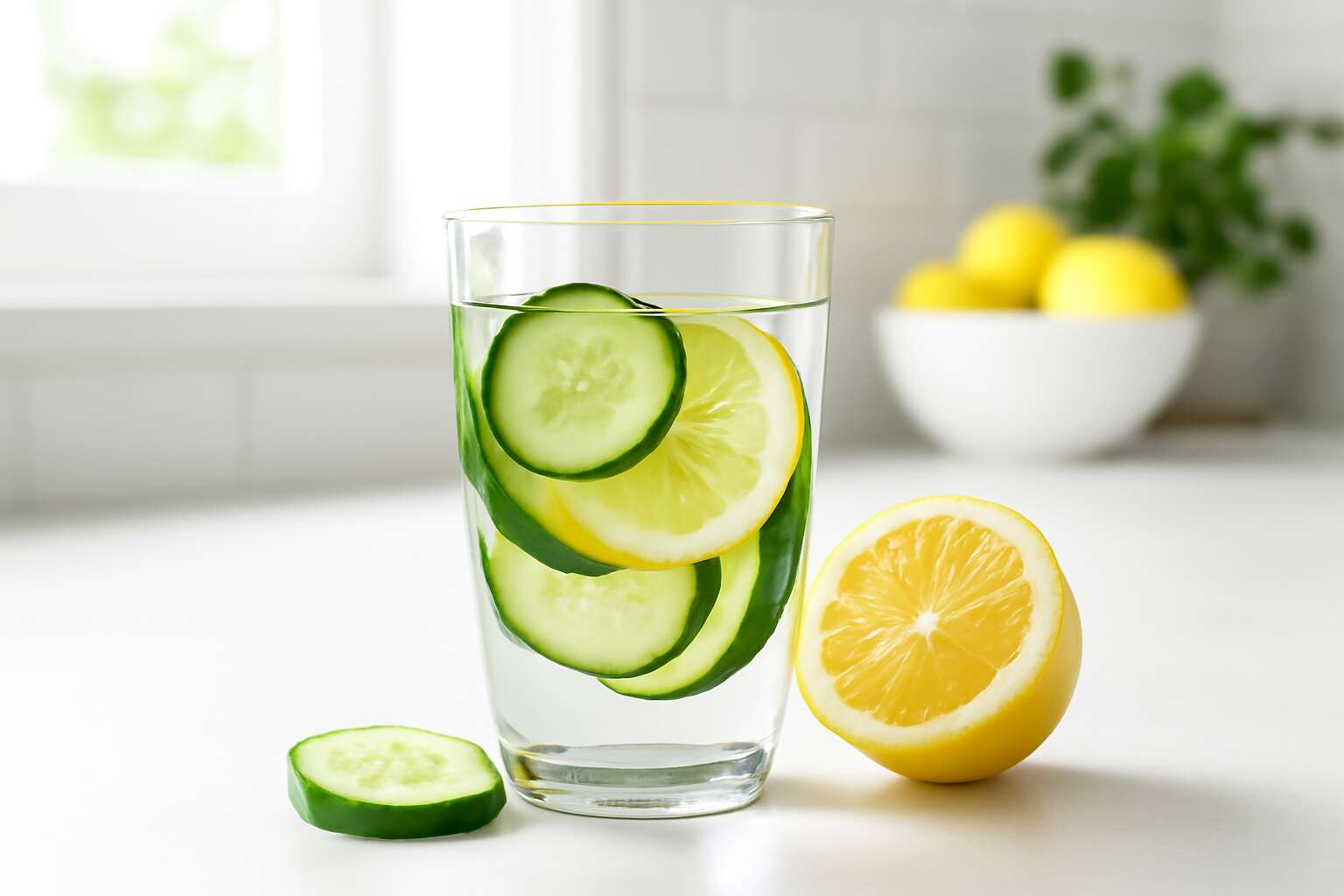
Understanding the Link Between Hydration and Blood Pressure
The Role of Water in the Human Body – How hydration impacts overall health
In the quiet corners of South African farms and bustling city streets alike, one truth remains universal: water is life. It sustains us beyond mere survival, intricately connected to the delicate balance of our blood pressure. When hydration levels dip, the body struggles to regulate sodium and fluid levels, often leading to increased blood pressure. That’s why drinking water reduces blood pressure — it helps keep our arteries clear and resilient, preventing the silent creep of hypertension.
The role of water in the human body extends far beyond quenching thirst. Proper hydration ensures the smooth functioning of vital organs, supports nutrient transport, and maintains the elasticity of blood vessels. When the body is well-hydrated, the blood flows more freely, reducing the strain on the heart and lowering blood pressure naturally. In rural communities where access to healthcare may be limited, simple habits like drinking enough water can make a profound difference in long-term health outcomes.
- Hydration helps regulate blood volume
- It supports the removal of excess sodium
- It maintains the flexibility of blood vessels
Understanding this connection is crucial, especially in regions where hypertension is a growing concern. Drinking water reduces blood pressure not just as a fleeting remedy but as a sustainable way to nurture our well-being, one glass at a time. The humble act of staying hydrated can be a powerful tool in managing health and preventing chronic conditions that threaten our communities’ future.
Blood Pressure Regulation Mechanisms – Factors influencing blood pressure levels
Blood pressure regulation is a complex interplay of multiple factors, many of which are surprisingly influenced by hydration levels. Drinking water reduces blood pressure by maintaining the balance of fluids and electrolytes within the body. This process helps prevent the arteries from becoming stiff or narrow, which can lead to hypertension.
Understanding how hydration affects blood pressure involves recognizing the body’s natural mechanisms. For example, adequate water intake supports the kidneys in efficiently removing excess sodium, a key contributor to elevated blood pressure. When sodium levels are kept in check, the risk of hypertension diminishes.
Factors influencing blood pressure include diet, physical activity, stress, and hydration. Here’s how hydration plays a pivotal role:
- It helps regulate blood volume, ensuring arteries aren’t under unnecessary strain.
- It supports the flexibility of blood vessels, making it easier for blood to circulate.
- It aids in the removal of excess sodium, which often contributes to high blood pressure.
By understanding these mechanisms, it’s clear that drinking water reduces blood pressure not only through immediate relief but also as part of a sustainable approach to health. Proper hydration is a simple, accessible way to support blood pressure regulation, especially important in regions where healthcare resources may be limited.
Scientific Evidence Connecting Water Intake and Blood Pressure – Recent studies and findings
Emerging scientific evidence underscores a simple yet powerful truth: drinking water reduces blood pressure. Recent studies from South Africa and around the globe reveal that proper hydration can significantly influence cardiovascular health. When the body is well-hydrated, the blood vessels maintain their elasticity, reducing the strain on the arterial walls and helping to prevent hypertension. This connection is often overlooked in favor of more complex interventions, but hydration’s role is undeniable.
Research indicates that increased water intake supports the kidneys in flushing out excess sodium, a notorious contributor to high blood pressure. In regions where access to healthcare may be limited, understanding the importance of drinking water reduces blood pressure becomes an accessible, cost-effective tool for health management. The evidence aligns with the notion that small daily choices—like ensuring adequate hydration—can have profound long-term benefits for blood pressure regulation.
Benefits of Drinking Water for Blood Pressure Management
Reducing Hypertension Symptoms – How water intake can alleviate high blood pressure
High blood pressure affects millions worldwide, and surprisingly, something as simple as drinking water reduces blood pressure effectively. Staying well-hydrated helps maintain the delicate balance of fluids in your body, which is crucial for regulating blood pressure levels. When the body is dehydrated, blood volume drops, and the heart has to work harder, often leading to increased blood pressure. Drinking water acts as a natural dilator, easing the strain on arteries and promoting smoother blood flow.
Research indicates that consistent hydration can significantly alleviate symptoms of hypertension. By increasing water intake, you support kidney function and help flush out excess salt and toxins that can elevate blood pressure. In fact, proper hydration can even prevent the progression of hypertension, making it a simple yet powerful tool in blood pressure management. Remember, water is a vital element—drinking water reduces blood pressure and keeps the circulatory system in optimal condition.
Supporting Cardiovascular Health – The protective effects of hydration on the heart and arteries
In the realm of cardiovascular health, hydration plays a surprisingly pivotal role. Drinking water reduces blood pressure by maintaining the elasticity of arteries and ensuring smooth blood flow through the circulatory system. When the body is properly hydrated, it prevents the blood from becoming too viscous, which can otherwise strain the heart and elevate blood pressure levels. This simple act of drinking water can serve as a natural safeguard for your heart health, especially in regions like South Africa where lifestyle factors often contribute to hypertension.
Furthermore, adequate hydration supports the function of vital organs, particularly the kidneys, which regulate blood pressure by managing salt and fluid balance. By drinking water regularly, you help prevent the accumulation of excess sodium—one of the leading contributors to high blood pressure. Here are some ways hydration benefits cardiovascular health:
- It reduces the workload on the heart by maintaining optimal blood volume
- It enhances the flexibility of arteries, lowering the risk of arterial damage
- It aids in flushing out toxins and excess salt that can contribute to hypertension
When water intake is sufficient, the circulatory system remains resilient, supporting overall heart function and reducing the risk of hypertensive complications. For those seeking a natural method to support blood pressure management, drinking water is an accessible and effective option that offers profound protective effects on both the heart and arteries.
Preventing Dehydration-Related Blood Pressure Fluctuations – Maintaining stable blood pressure levels
Maintaining stable blood pressure is a cornerstone of good health, especially in regions like South Africa where hypertension rates are climbing. One of the simplest yet most powerful tools in this battle is drinking water. When the body stays hydrated, it prevents blood from becoming overly viscous, which can cause fluctuations in blood pressure. This is particularly important because dehydration can lead to sudden spikes or drops, putting unnecessary strain on the heart and arteries.
Dehydration-related blood pressure fluctuations are more common than many realize. Inadequate water intake can cause the blood to thicken, making it harder for the heart to pump and increasing the risk of hypertensive episodes. Drinking water regularly helps maintain the delicate balance of fluids, ensuring blood pressure remains within a healthy range. By doing so, it supports the body’s natural mechanisms for regulating blood pressure, reducing the likelihood of sudden changes that can have serious health consequences.
Optimal Water Intake Tips for Blood Pressure Control
Daily Water Consumption Recommendations – Guidelines based on age, activity, and health status
In the symphony of health, water plays a crucial, almost poetic note—its melody can quietly, yet powerfully, reduce blood pressure. The delicate balance of hydration is not a one-size-fits-all rhythm but a personalized tune based on age, activity level, and health status. Each sip, when taken in harmony with your body’s needs, acts as a gentle conductor guiding blood pressure toward serenity. For those seeking to harness the natural potency of water, understanding optimal daily water consumption becomes essential.
To optimize hydration for blood pressure control, consider these guidelines:
- For adults, aim for about 2.7 liters per day if female and 3.7 liters if male, adjusting based on activity and climate.
- Active individuals or those exposed to hot weather may require additional hydration—up to 1 liter more—to compensate for fluid loss.
- People with certain health conditions should consult healthcare providers to tailor their water intake, ensuring it aligns with their unique needs.
Remember, drinking water reduces blood pressure not merely through quantity but through consistent, mindful hydration—each glass a small act of wellness that sustains the body’s delicate balance and fortifies cardiovascular resilience.
Signs of Adequate Hydration – How to monitor your hydration levels
Hydration is often underestimated in its power to influence cardiovascular health. A simple, yet profound truth emerges: drinking water reduces blood pressure by maintaining optimal blood volume and vessel flexibility. But how can you tell if you’re drinking enough? Recognizing the signs of adequate hydration can turn everyday water consumption into a potent tool for blood pressure regulation.
One of the most reliable indicators is the color of your urine. Pale, straw-colored urine typically signifies proper hydration, whereas dark urine suggests dehydration. Thirst is another, albeit less precise, signal that your body needs more water. Monitoring your body’s cues and adjusting accordingly ensures your hydration levels support your heart health.
- Check your urine color regularly.
- Observe how often you feel thirsty throughout the day.
- Pay attention to signs of dry mouth or skin, which may indicate dehydration.
By cultivating an awareness of these subtle signs, you can optimize your water intake and harness the natural ability of drinking water to reduce blood pressure. Consistently maintaining this delicate balance nurtures your cardiovascular resilience, making hydration a quiet yet powerful ally in your health journey.
Timing and Proper Hydration Strategies – Best practices for drinking water throughout the day
Maintaining optimal water intake is a subtle yet profound act of self-preservation. When approached with mindfulness, drinking water reduces blood pressure by supporting the delicate balance within our circulatory system. Timing becomes crucial—spreading hydration evenly throughout the day ensures that your blood volume remains stable, preventing the spikes and dips that threaten your cardiovascular harmony.
Instead of gulping large quantities sporadically, consider establishing a rhythm. For example, drinking a glass of water every couple of hours can reinforce consistent hydration, allowing your body to adapt and maintain vessel flexibility. This strategy not only sustains blood pressure within healthy limits but also nurtures a quiet resilience against the stressors that threaten heart health.
- Start your morning with a glass of water to jumpstart hydration.
- Keep a water bottle nearby as a gentle reminder to sip regularly.
- Adjust your intake based on activity levels, climate, and personal cues — hydration should never feel forced but rather instinctive.
In the grand tapestry of health, drinking water reduces blood pressure, acting as a silent guardian—an act of resistance against the chaos of imbalance. It’s not just about quenching thirst; it’s about cultivating a state of harmony that sustains your vitality from within.
Lifestyle Factors That Complement Drinking Water for Blood Pressure Reduction
Dietary Adjustments – Reducing sodium, increasing potassium-rich foods
When considering the subtle yet profound influence of lifestyle factors on blood pressure, it becomes clear that hydration plays a pivotal role. Drinking water reduces blood pressure by supporting the delicate balance of bodily fluids, which in turn helps regulate vascular tension. But hydration alone isn’t a silver bullet; it must be paired with mindful dietary adjustments to truly impact hypertension.
Reducing sodium intake is crucial, as excess salt can constrict blood vessels and raise blood pressure levels. Conversely, increasing potassium-rich foods such as bananas, sweet potatoes, and leafy greens helps counteract sodium’s effects and promotes vasodilation. These dietary choices, combined with adequate hydration, create an environment where blood pressure can stabilize naturally.
- Limit processed foods high in salt
- Incorporate more fresh produce rich in potassium
- Maintain consistent water intake throughout the day
Understanding the synergy between drinking water reduces blood pressure and dietary habits underscores a holistic approach to health. It’s not merely about hydration but about embracing a lifestyle that nurtures the intricate machinery of our circulatory system—an act of self-preservation and resilience in a world that often pushes us toward imbalance.
Regular Physical Activity – Exercise’s role in blood pressure management
Embarking on a journey toward better blood pressure health requires more than just fancy pills or fleeting diets. It’s about cultivating a lifestyle where hydration becomes your steadfast ally. Regular physical activity, especially aerobic exercises like brisk walking or cycling, works synergistically with drinking water reduces blood pressure by enhancing vascular flexibility and promoting optimal circulation. When you engage in movement, your body’s demand for hydration increases, emphasizing the importance of drinking water throughout the day.
In South Africa’s vibrant climate, staying active and well-hydrated is essential. Incorporating a simple routine—such as walking in the early morning or enjoying outdoor activities—can help maintain blood pressure within a healthy range. To deepen this connection, consider this:
- Exercise stimulates blood flow, reducing strain on arteries.
- Hydration ensures blood remains fluid and less prone to constriction.
By weaving these elements into daily life, you harness a powerful, almost magical, synergy—because drinking water reduces blood pressure not just through hydration alone, but as part of a holistic approach to health. It’s a dynamic dance between movement, mindful nourishment, and consistent hydration, all supporting your circulatory system’s resilience and vitality!
Stress Management Techniques – Relaxation strategies that support healthy blood pressure
Amid South Africa’s vibrant landscapes and the rhythm of daily life, managing blood pressure becomes a harmonious dance between body and mind. Stress, a silent adversary, often clouds our well-being, but integrating relaxation techniques can serve as a powerful counterbalance. When combined with drinking water reduces blood pressure, these strategies create a symphony of health benefits that reinforce each other’s effectiveness.
Mindful breathing exercises, meditation, and gentle yoga are proven relaxation techniques that support healthy blood pressure. They help calm the nervous system, lowering stress hormones that can constrict blood vessels. Engaging in these practices regularly can significantly enhance the impact of hydration, making your blood vessels more resilient and responsive.
To deepen this tranquil approach, consider incorporating a simple routine:
- Start your day with a few minutes of deep breathing, focusing on slow, deliberate inhales and exhales.
- Set aside moments throughout the day for mindfulness or meditation, allowing your body to reset and release tension.
- Combine relaxation with hydration by sipping water during these practices—remember, drinking water reduces blood pressure and supports mental clarity.
When stress is managed effectively, your blood pressure stabilizes naturally, and hydration plays a vital role in this delicate equilibrium. Embracing these complementary lifestyle factors transforms health from a mere goal into a sustainable, elegant ritual—because the path to well-being is as much about serenity as it is about action.
Potential Risks and Considerations
Overhydration and Hyponatremia – Risks of excessive water intake
While the benefits of drinking water reduce blood pressure are well-documented, it’s crucial to recognize that overhydration can pose serious health risks. Excessive water intake can lead to overhydration, disrupting the delicate balance of electrolytes in the body. This imbalance may result in hyponatremia, a condition characterized by dangerously low sodium levels that can cause nausea, headaches, and in severe cases, seizures or coma.
Understanding the risks associated with overhydration is essential, especially for those who might be tempted to drink large quantities of water in an attempt to lower blood pressure quickly. The body requires a fine-tuned electrolyte harmony, and too much water can dilute vital salts, impairing normal cardiovascular function. To prevent these complications, it’s important to monitor your hydration levels carefully and avoid consuming water excessively in a short period.
- Pay attention to your body’s signals, such as thirst and the color of your urine.
- Consult health professionals if you have underlying health conditions that affect fluid balance.
Balancing hydration with awareness is key—because drinking water reduces blood pressure only when done thoughtfully. Overhydration risks underscore the importance of moderation and attentive self-care, especially in communities where health literacy is vital for long-term wellbeing.
Certain Medical Conditions – When to consult healthcare professionals
While drinking water reduces blood pressure effectively, certain medical conditions demand caution. For individuals with heart or kidney problems, excessive fluid intake can exacerbate existing issues, potentially leading to fluid overload. This can strain the heart and impair kidney function, making careful monitoring essential.
In cases of congestive heart failure or chronic kidney disease, healthcare professionals often recommend tailored hydration strategies. Ignoring these guidelines might result in dangerous complications, including swelling or electrolyte imbalances. It’s important to recognize that not everyone benefits equally from increased water consumption—personal health factors play a crucial role.
People with underlying health conditions should consult healthcare professionals before making significant changes to their hydration routine. A balanced approach ensures that drinking water reduces blood pressure without unintentionally triggering health risks. Remember, moderation and medical guidance are key in optimizing hydration for long-term well-being.
Medication Interactions – How water consumption interacts with blood pressure medications
While the notion that drinking water reduces blood pressure is often celebrated as a simple remedy, the interaction between water intake and medication can be a delicate dance. Certain blood pressure medications—such as diuretics, ACE inhibitors, or beta-blockers—can be influenced by hydration levels, potentially amplifying or diminishing their effects. An imbalance, whether dehydration or overhydration, might lead to unintended fluctuations in blood pressure, complicating management and risking health.
For those on antihypertensive therapies, understanding the potential risks associated with water consumption is vital. Excessive hydration can dilute electrolytes, leading to hyponatremia—a perilous condition that may cause confusion, seizures, or even coma. Conversely, inadequate water intake might cause dehydration, which can paradoxically elevate blood pressure and strain the cardiovascular system.
- Monitoring fluid intake carefully
- Consulting healthcare professionals regularly
- Recognizing symptoms of dehydration or overhydration
In the realm of blood pressure regulation, awareness of how drinking water reduces blood pressure must be balanced with medical guidance. The interplay between hydration and medication is a nuanced symphony—one that demands respect, vigilance, and tailored strategies to safeguard long-term health.
Expert Opinions and Testimonials
Medical Professionals’ Perspectives – Clinicians’ insights on hydration and blood pressure
Medical professionals consistently emphasize the importance of hydration in maintaining optimal blood pressure levels. Clinicians often cite hydration as a simple yet powerful tool to support cardiovascular health. Dr. Thandi Nkosi, a South African cardiologist, notes, “Encouraging patients to drink more water can have a tangible impact on lowering blood pressure without the need for medication in some cases.” This perspective is echoed across many clinics where hydration is integrated into holistic blood pressure management strategies.
Many testimonials from patients highlight noticeable improvements in their blood pressure readings after increasing their water intake. Healthcare providers also recognize that drinking water reduces blood pressure by helping the body maintain fluid balance and improve blood vessel function. As part of a comprehensive approach, medical professionals sometimes recommend specific hydration routines, such as drinking a glass of water before meals or spreading water consumption evenly throughout the day. The consensus remains clear: staying well-hydrated is a vital, accessible step towards stable, healthy blood pressure levels.
Real-Life Success Stories – Personal experiences of individuals managing hypertension through water intake
Across South Africa, countless individuals have experienced a surprising yet profound shift in their blood pressure levels simply by enhancing their hydration habits. Personal stories reveal that drinking water reduces blood pressure in ways that many never anticipated, transforming the way they manage hypertension. One patient shared, “After increasing my water intake, I noticed my readings stabilized without needing additional medication.” Such testimonials underscore the tangible impact hydration can have on cardiovascular health.
Expert opinions further bolster this narrative. Medical professionals emphasize that maintaining adequate hydration supports healthy blood vessel function and fluid balance—key factors in blood pressure regulation. Some clinicians even recommend specific hydration routines, like drinking a glass of water before meals or spreading water intake evenly throughout the day, to optimize results. The consistency of these success stories highlights a simple yet powerful truth: drinking water reduces blood pressure and can be a vital component of holistic hypertension management.



0 Comments